Sherry trifle with a cooked custard
- Easy
Sherry trifle
200 g trifle sponges or day-old Madeira cake, 3 tbsp raspberry jam, 100 ml cream or amontillado sherry, 400 g frozen raspberries. Custard: 6 egg yolks, 300 ml whole milk, 300 ml double cream, 60 g caster sugar, 2 tbsp cornflour, 1 vanilla pod. Top: 300 ml double cream, 30 g toasted flaked almonds.
- Set
- Overnight
- Bowl
- 2.5 litre glass
- Serves
- 10
Trifle has been an English pudding since the sixteenth century, and Mrs Beeton printed a version with sherry and custard in 1861. The one rule that matters is the custard. It must be thick enough to sit on the fruit as a separate layer.
Split the sponges, spread them with jam and pack them into the bowl. Spoon over the sherry, then scatter the raspberries straight from frozen; they thaw into the sponge. For the custard, heat the milk, cream and split vanilla pod until steaming. Whisk the yolks, sugar and cornflour in a bowl, pour on the hot liquid, return everything to the pan and stir over a medium-low heat until it thickens and reaches 82°C. The cornflour stops it splitting. Cool for 20 minutes, pour over the fruit, press cling film onto the surface and chill overnight.
On the day, whip the cream to soft peaks, spread it over and finish with almonds. A trifle made like this keeps for 2 days in the fridge.
Vanilla panna cotta with poached cranberries
- Easy
Vanilla panna cotta
500 ml double cream, 100 ml whole milk, 60 g caster sugar, 1 vanilla pod, 3 platinum-grade gelatine leaves (about 5 g). Cranberries: 200 g fresh cranberries, 75 g caster sugar, juice of 1 orange.
- Set
- 6 hours
- Moulds
- 6 × 100 ml
- Serves
- 6
Soak the gelatine in cold water for 5 minutes. Heat the cream, milk, sugar and vanilla seeds until steaming but not boiling, take the pan off the heat, squeeze the gelatine and stir it in until dissolved. Pour through a sieve into the moulds and chill for at least 6 hours.
Gelatine strength varies by grade. Three platinum leaves in 600 ml give a set that wobbles but holds its shape once turned out. Bronze leaves are weaker, so use four or five. Simmer the cranberries with the sugar and orange juice for 5 minutes, until about half have burst, and serve cold.
Chocolate biscuit cake in a square tin
- Easy
Chocolate biscuit cake
200 g dark chocolate (70%), 100 g unsalted butter, 3 tbsp golden syrup, 200 g digestive biscuits broken into 1–2 cm pieces, 100 g dried sour cherries, 50 g shelled pistachios.
- Set
- 6 hours
- Tin
- 20 cm square
- Yield
- 16 squares
The refrigerator cake gained fresh attention in 2011 when a version was served as the groom's cake at the wedding of Prince William and Catherine Middleton. Melt the chocolate, butter and syrup over a low heat, stir in the biscuits, cherries and nuts, press into a lined tin and chill. Cut with a knife dipped in hot water. It keeps for a week in the fridge.
Eton mess, with meringues baked a day ahead
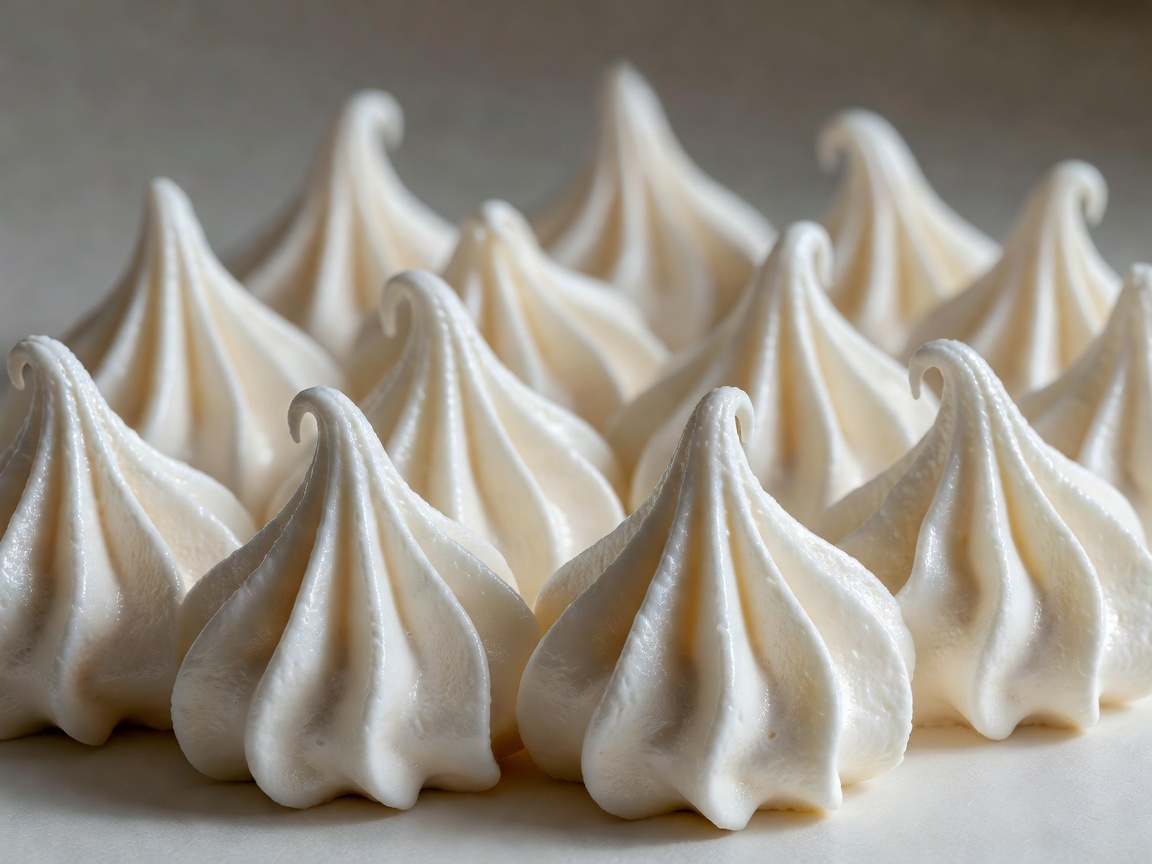
Whisk 2 egg whites (about 70 g) to stiff peaks, then add 140 g caster sugar a spoonful at a time until the meringue is glossy and the sugar no longer feels gritty between your fingers. Pipe small nests onto baking paper and bake at 110°C, 90°C fan, gas ¼ for 1 hour. Switch off the oven and leave them inside until cold. They keep for a week in an airtight tin.
To serve 6, break 6 nests into 400 ml softly whipped double cream with 300 g raspberries and a spoonful of the cranberries above. Assemble at the table; meringue softens within 20 minutes of meeting cream.
Raw and lightly cooked eggs: the UK Food Standards Agency considers British Lion-stamped eggs safe to eat runny or raw, including for pregnant women and older people. Outside the UK, use pasteurised eggs for royal icing and uncooked mousses.